In-depth lighting guides
Long-form articles that walk through a single lighting scenario in full — setup, reasoning, adjustments, and what to watch for when conditions shift.

Photography is largely a conversation between a camera and a light source. Claimverta exists to make that conversation legible — through structured resources, practical guides, and focused learning materials built around light manipulation as a craft.
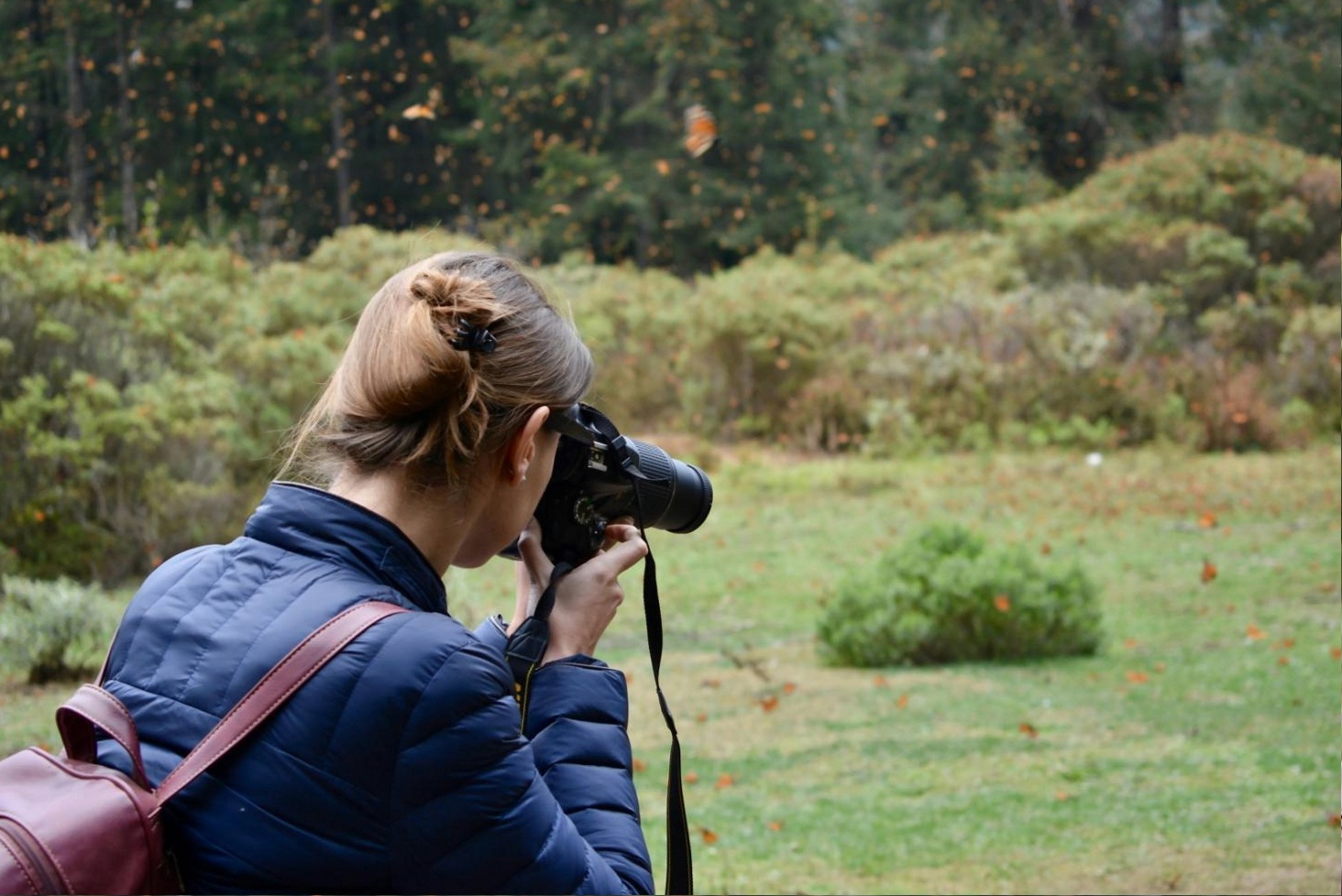
Light behaves differently depending on distance, surface, time of day, and the choices made before the shutter opens.
Every resource on this site starts from a specific technique or scenario — not a general principle.
Whether you are working with a single window, a reflector, or a complex multi-source setup, the goal is the same: understanding what the light is actually doing and how to redirect it intentionally.
Long-form articles that walk through a single lighting scenario in full — setup, reasoning, adjustments, and what to watch for when conditions shift.
Focused pieces on specific tools and methods: how a softbox falloff differs from a bare strobe, how to read a histogram when light is mixed, and similar practical questions.
Structured content released around focused themes — available through the masterclass page with deeper coverage than the standard blog format allows.
Occasional pieces examining how published photographs handle light — what works, what is compromised, and what the photographer was likely solving for.
Light manipulation is not a single topic. These figures reflect the range of territory the site covers across its published work.
From single-window portraits to multi-strobe product setups
Consistent focus since the site launched in 2017
Guides, breakdowns, masterclass pieces, and editorial commentary
Most photography education treats light as one chapter in a broader curriculum. The problem with that approach is that light is not a chapter — it is the whole subject. Exposure, composition, timing, and post-processing all interact with how light behaves at the moment of capture.
Narrowing the focus allows for genuine depth rather than coverage.
The practical consequence is that articles here do not need to hedge across beginner and advanced audiences simultaneously. A piece on specular highlights assumes you already understand why they happen and focuses instead on how to control their shape and intensity.
That specificity is the point.
Each piece of content on Claimverta follows a consistent logic — not a template, but a set of questions that every article has to answer before it gets published.
Every article starts from a concrete scenario — a particular lighting condition, a specific piece of equipment, or a recurring problem photographers encounter. Generalisations come later, if at all.
Before any advice is given, the physics of the situation gets explained plainly. Not in academic terms, but in terms of what you would observe if you watched the light change as you adjusted a variable.
Not every technique applies to every scenario. Articles identify the two or three decisions that actually change the outcome — and explain why the others are secondary in this particular context.
Honest coverage includes the conditions under which a technique stops working or becomes harder to manage. Knowing the edges of a method is as useful as knowing how to apply it.