
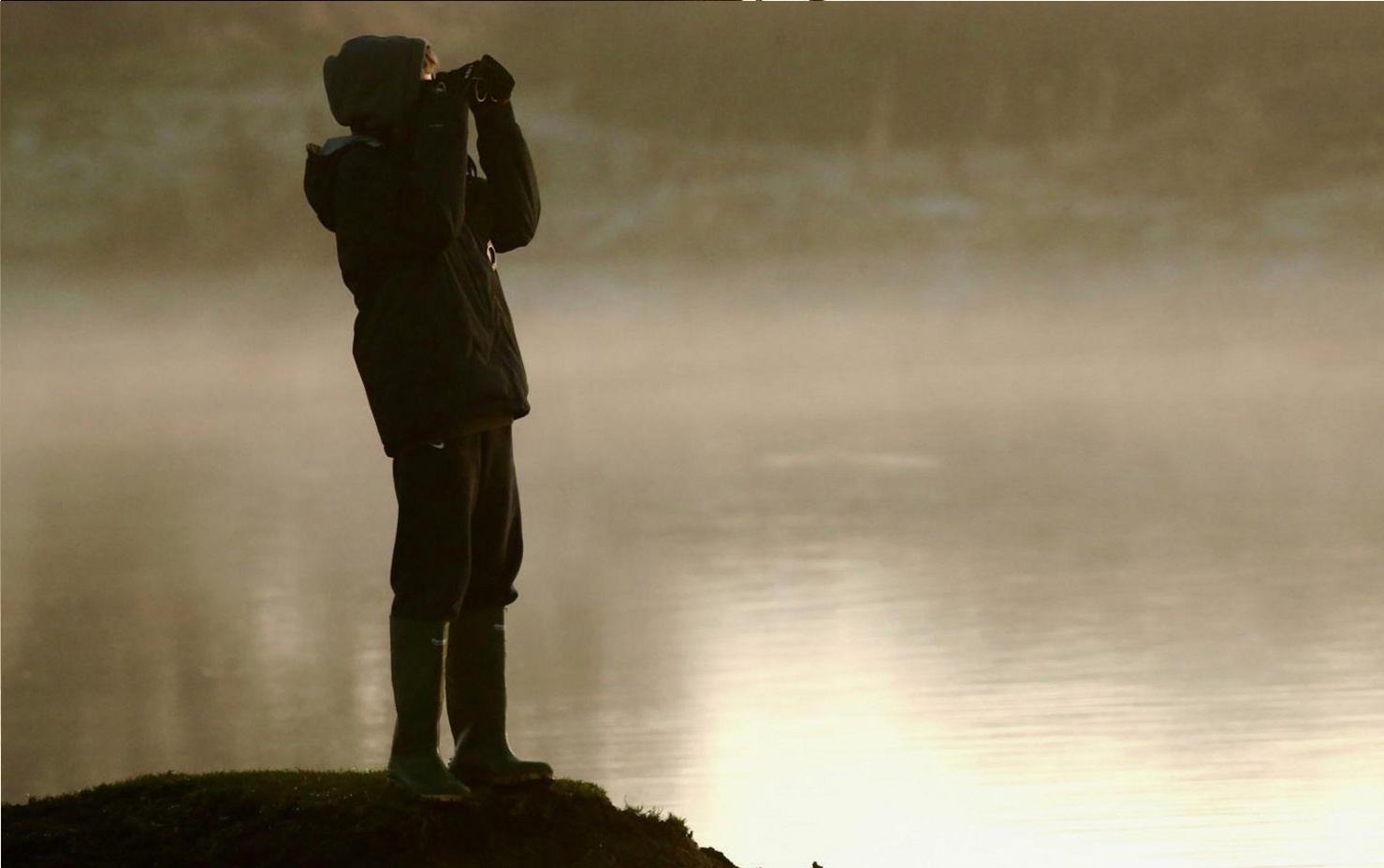
Overcast light is diffused, which means it scatters in multiple directions. That softness reduces harsh shadows, but it also reduces the contrast that gives a face structure. Many photographers discover this the hard way after spending an afternoon shooting portraits under thick cloud cover and getting results that look washed out and dimensionless.
Diffusion without direction is still a problem
Light needs an angle to create depth. On a clear day, the sun provides that angle automatically. On an overcast day, the light comes from everywhere at once, and the result is what cinematographers call flat light. It is technically correct but visually uninteresting.
The fix is to reintroduce direction. Standing near a large window on an overcast day gives you diffused light that still has a clear source on one side. Positioning a subject under a building overhang so the open sky is only visible from one direction achieves the same effect outdoors.
A simple test to check your light direction
Hold your hand flat, palm down, in front of your subject. If you cannot see a clear shadow forming on one side of your hand, the light has no usable direction. Move until you can see that shadow, even a faint one.
Photographer Tomas Vedral uses this hand test before every outdoor portrait session. It takes about four seconds and consistently saves him from setups that would have produced unusable frames.